YHA Winter Travel Personalities

What’s your winter travel vibe? Are you always checking the snow report? Maybe you’re hiking waterfall trails, getting cosy in front of the fireplace, or grabbing binoculars to spot marine life?
Truth is, most of us are a bit of everything – and once the temperature drops, an Australian winter has room for all of it. Across the country, the snow season is in full swing, humpback whales are migrating up the east coast, festival season has moved indoors, and the southern skies are at their darkest and most spectacular.
Looking for your next getaway? We’ve put together seven winter travel personalities and their perfect short getaway to suit. Find your vibe and get packing!
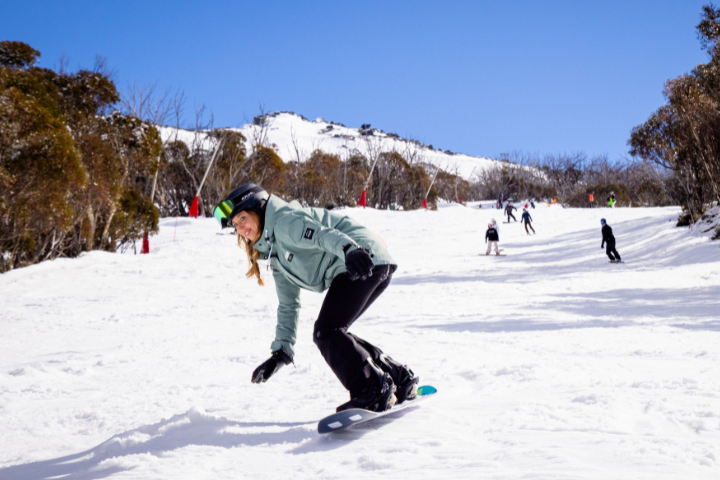
The Ski Bunny (Thredbo, NSW)
The Ski Bunny is first on the Kosciuszko Express Chairlift and last off the mountain. They talk in centimetres of overnight snowfall, know every ski run by name, and measure a good season in the number of snow days rather than weekends away. Their group chat messages are mostly screenshots of the forecast and selfies next to a snowman.
We're halfway through the ski season when the snow is at its deepest, so if you've had the Thredbo snow cams bookmarked since May, now is the time to plan. Skip the school-holiday rush and aim for a midweek stay in August or September, when the lifts are quieter and the runs are still fresh.
After the lifts close each night, there's also plenty on. Kareela Snowcat Dinners runs until August 25, carrying guests up the mountain by snowcat for dinner above the village, while the family-friendly Merritts Mountain Haus Feast runs on select Sundays and Wednesdays until August 30. Both will sell out, so make sure you book early.
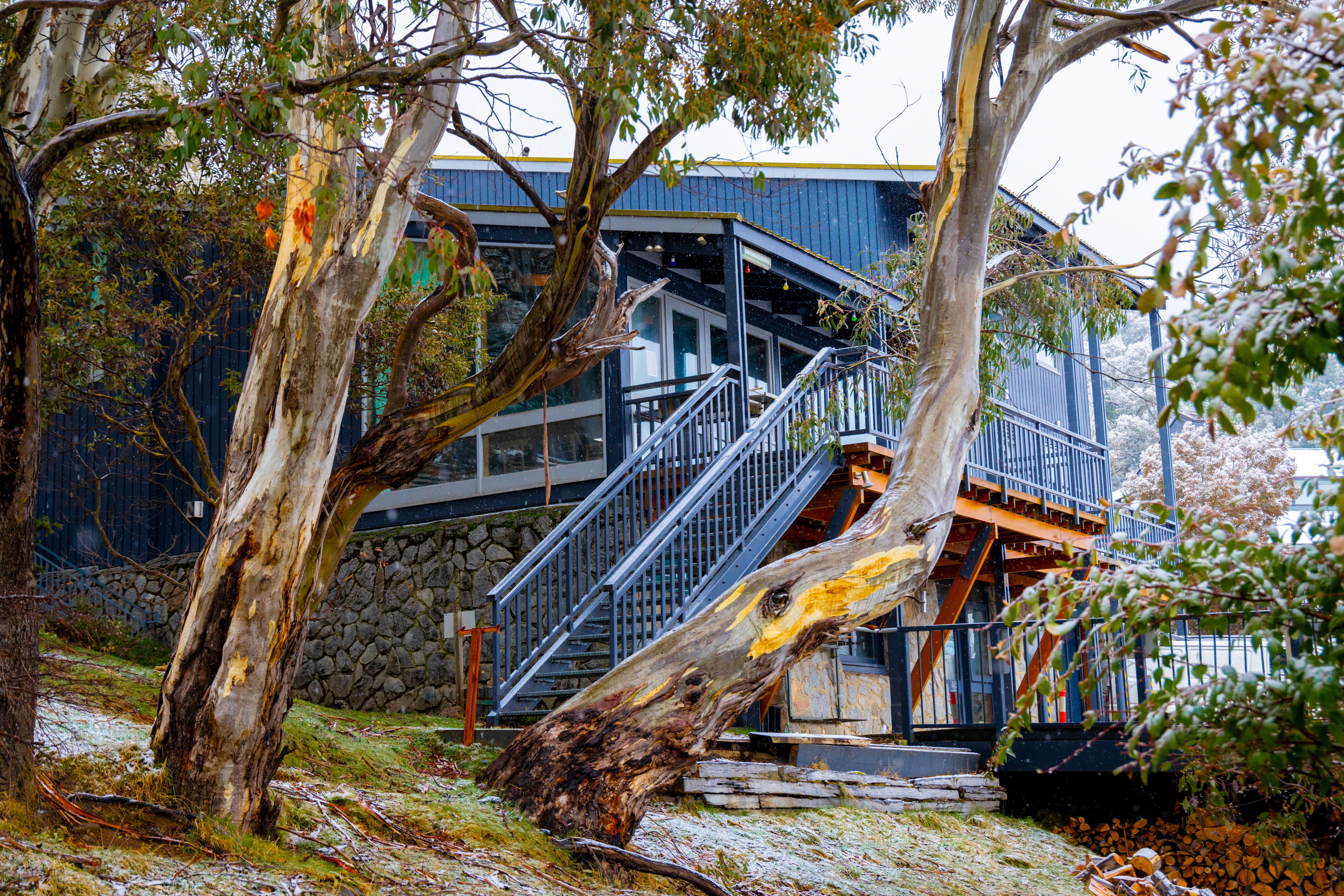
Stay: YHA Thredbo is in the heart of the village, a few minutes' walk from the lifts, and is one of the most affordable stays on the whole mountain. There's a mix of private, family and co-living rooms, continental breakfast from 7:30am to fuel up before the first lifts, plus there's a drying room so your snow gear doesn't stay soaked.
Tip: Book YHA Thredbo as early as you can, because the best-value midweek nights in August and September get snapped up. If you're driving, snow chains are compulsory for 2WD vehicles between the June and October long weekends, and you'll need a Kosciuszko National Park pass (from $29 per day) to enter the village.
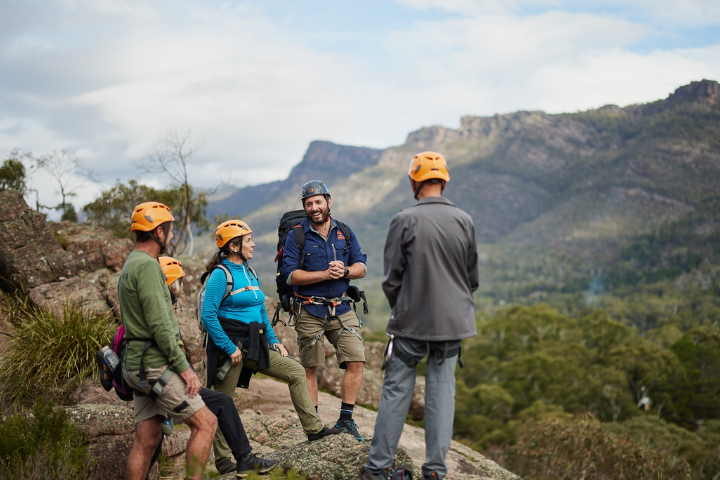
The Mountain Wanderer (Blue Mountains, NSW)
The Mountain Wanderer loves winter for the atmosphere rather than the adrenaline. Picture crisp air on a morning walk, a long lunch, and an open fire to end the day. They’ll choose a valley full of mist over a ski run every time, and they've usually found the pub with the best fireplace before everyone else.
In winter, the Blue Mountains lean into cosy roast dinners, open fires and long lunches. Expect mist rolling through the valleys most winter mornings, sunrise hikes around the Jamison Valley, and the Echo Point to Scenic World stretch of the Prince Henry Cliff Walk, which takes a couple of hours and passes the Three Sisters early on.
In the afternoon, The Carrington in Katoomba has an open-fire lounge perfect for slow afternoons over coffee, while the nearby town of Leura has live music on Friday and Saturday nights and Sunday lunches, loved by locals and visitors alike. End your evening with a nightcap back at YHA Blue Mountains in front of the roaring open fireplace.
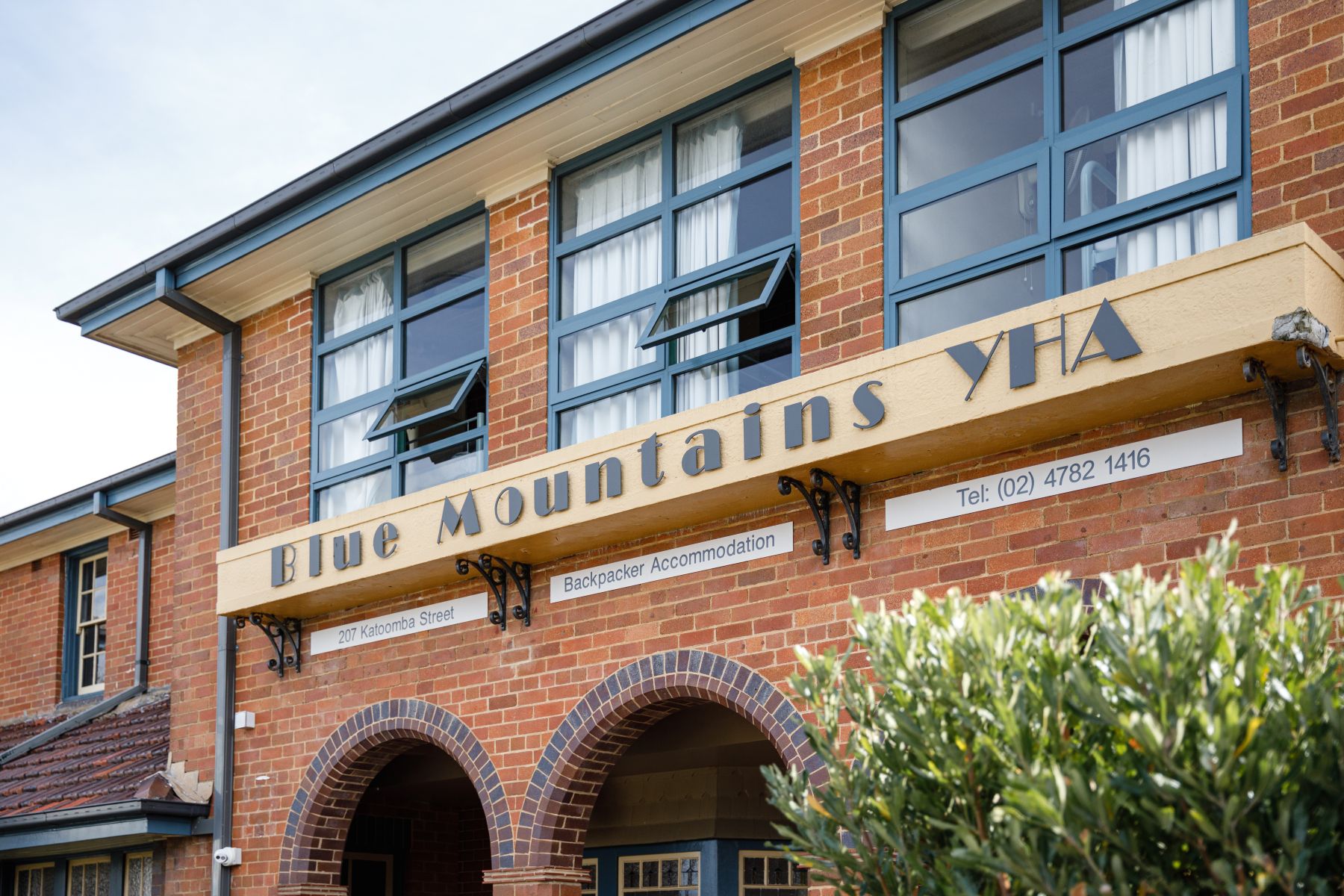
Stay: YHA Blue Mountains (Katoomba) is based in a former restored National Trust building and ballroom, a 10-minute walk from Katoomba Station. The lounge has a log fire that burns all winter, and on rainy nights it fills up with travellers cooking dinner, playing board games, watching movies, and having long conversations about trail recommendations.
Tip: Leave the car at home and catch the train instead. Services run regularly from Sydney's Central Station and reach Katoomba in about two hours for $8.30 one way on an Opal card. And as an added bonus, everything in Katoomba is within walking distance, so everyone at a long winter lunch can enjoy the mulled wine.
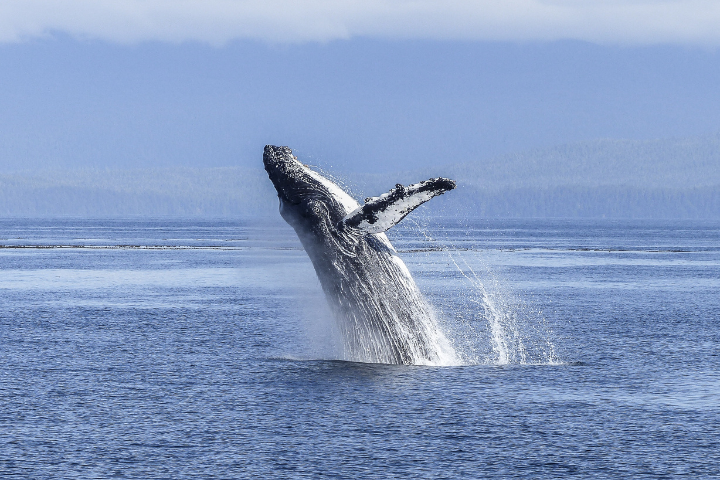
The Whale Watcher (Byron Bay, NSW)
The Whale Watcher is the patient one of the group. They'll happily stand on a headland for an hour with a coffee in hand, knowing they're almost always the first to spot a humpback and its calf. Where others see an empty horizon, they’re seeing nature putting on a show.
Their season is now. Between the months of May and November, tens of thousands of humpback whales migrate north along the east coast, and Cape Byron, mainland Australia's most easterly point, is one of the best places in the country to watch them as they pass. To get there, take the Cape Byron Walking Track, a free 3.7km loop through rainforest and along the clifftops to the lighthouse. And if you take the scenic route, you can make a whole morning of it.
Whales are regularly spotted from the trail itself during the winter months. At the top, there are daily volunteer-run lighthouse tours for a gold coin donation, and the extra height makes a real difference. If you'd rather get closer, whale watching cruises (from $99) run into Cape Byron Marine Park all season, and don't be surprised if you spot a pod of dolphins tagging along. Winter is also a little quieter when it comes to Byron's cafes, pubs and restaurants, and the water stays pleasant enough for a surf lesson (10% off for YHA members too).
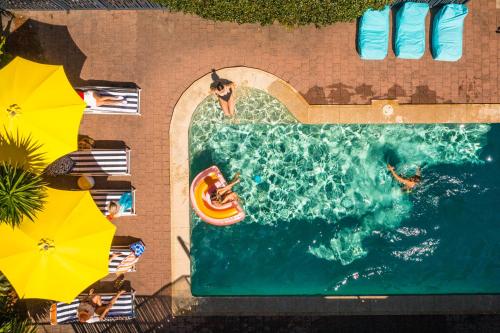
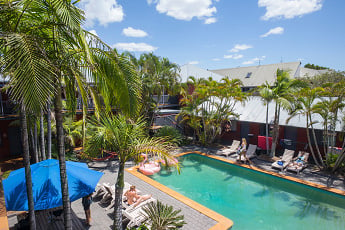
Stay: YHA Cape Byron is 200 metres from the beach and a short walk from the start of the walking track. It has a resort-like feel with a solar-heated pool, surfboards and bikes for hire, and a free guided walk to the lighthouse each week where whales, dolphins and turtles all make appearances. Nearby YHA Byron Bay also has a pool to lounge by, and you're a stone's throw from the main street of the iconic beach town.
Tip: Walk the track in the morning, when calmer seas make a whale’s blow easier to spot, and pack a pair of binoculars. Check the National Parks website before you go, as sections of the track are occasionally closed after heavy rain. Whale watching cruises can be cancelled in rough weather, so book one earlier in your stay and keep your last day free as a backup.
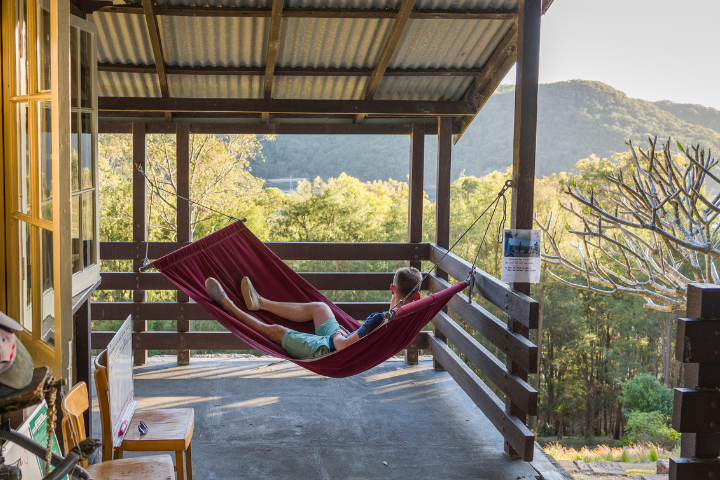
The Quiet Seeker (Pittwater, NSW)
For the Quiet Seeker, a weekend with no plans is the best kind. They dream of having no reception, no schedule and nowhere to be, and it’s not because they're anti-social, they just love recharging in places where the loudest sound is a kookaburra or magpie. They're the friend who is most likely to leave the group chat on mute until Monday.
Tucked inside Ku-ring-gai Chase National Park just north of the city, Pittwater is about as far from the daily grind as you can get on an Opal card. All you need is a ferry timetable. From Church Point, take the ferry ($20 return, $12 for students) over to Halls Wharf. A 15-minute walk up the bush track later, you reach your own retreat-style weekend that's largely off-grid with no roads, and no shops, which is exactly the appeal.
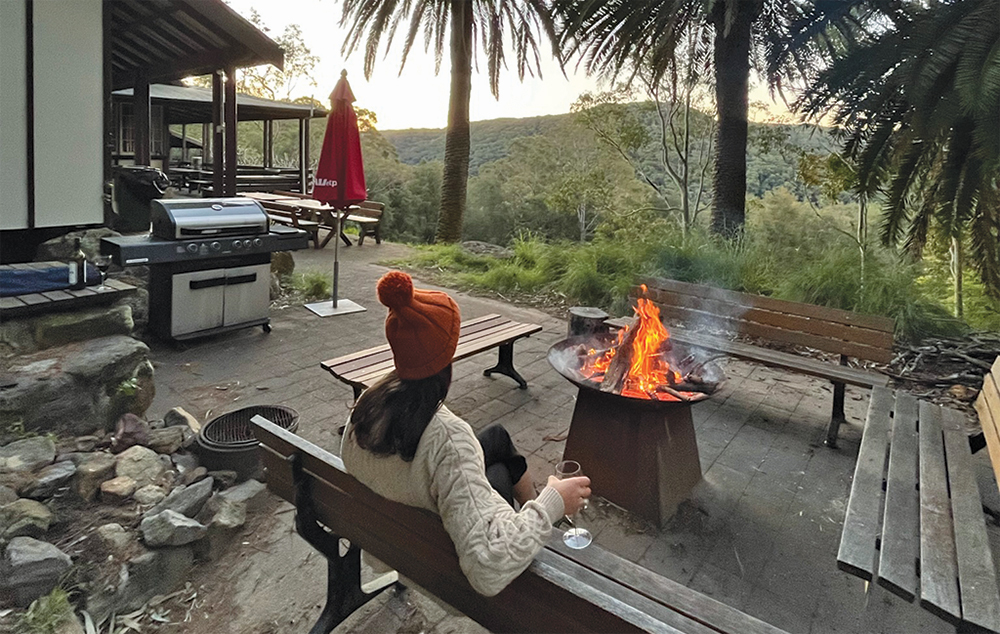
Rent a kayak or paddleboard along Pittwater's calm western shore, walk the Morning Bay Trail up from the wharf, or take the ferry to nearby Elvina Falls or Scotland Island if you want a bigger day. After sunset, share dinner and conversation with other guests, toast marshmallows by the open fire pit, strum a few songs on the acoustic guitar, and before bed, head outside to spot more stars that you can count.
Stay: YHA Pittwater Eco is an eco-certified retreat, set on the hillside above Morning Bay with wallabies and birdlife spotted regularly from the massive deck. The host makes a proper espresso in the morning, and plenty of guests who book one night end up asking about extending their stay to a second.
Tip: There's nowhere to buy food once you arrive, so do a grocery shop near Church Point before you board and plan to cook actual meals. Wheelbarrows are by the wharf to help with taking your luggage and supplies uphill to the property. Arrive before dark (during winter, sunsets are typically around 5pm), and save a screenshot of the ferry timetable to your phone in case you lose reception or battery life.
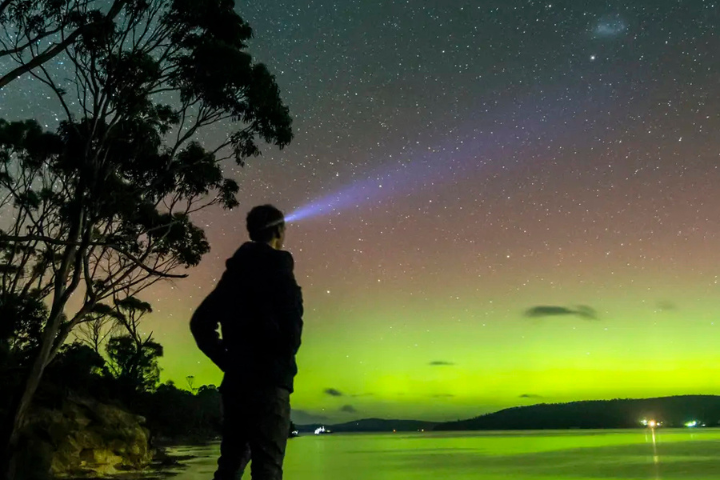
The Stargazer (Hobart, TAS)
The Stargazer will drive further, stay up later and check the forecast more often than anyone they travel with. Their trips are measured in clear nights rather than days, and one good sky makes the whole trip worth it. They already know the moon phase for your next weekend away.
For them, Tasmania is having a moment. The sun is near Solar Maximum through 2026, so displays of the aurora australis are stronger and more frequent than they've been in years, and Hobart's long winter nights put you closer to them than any other Australian capital.
The south-facing lookouts at kunanyi/Mount Wellington and Rosny Hill are both within 30 minutes of the city, close enough to finish dinner on the waterfront when an alert comes through and still make it somewhere dark in time. Other great vantage points are at Bruny Island, a 30-minute drive plus a 20-minute ferry, where the low light pollution at The Neck offers the best odds of a green horizon, as well as further out from Hobart in the Huon Valley. While nothing can guarantee a display on any given night, the night sky on its own is worth the trek down. Plan the weekend around Hobart's food, whisky and museums and treat the aurora as a bonus.
Space geeks can fill a morning at the Mount Pleasant Radio Observatory in Cambridge, about 20 minutes east of the city, where guided tours take in the 26-metre radio dish and the Grote Reber Museum, named for the father of radio astronomy. Tours run about 90 minutes, so book ahead.
Stay: YHA Hobart Central is one block from the waterfront, a short walk to Salamanca Place and the MONA ferry. The reading room is a good place to thaw out after a late night on a lookout, and the reception team knows which vantage points are worth the drive if the forecast is looking promising.
Tip: Sign up for alerts from the Bureau of Meteorology's Space Weather Service, and join the Aurora Australis Tasmania Facebook group, where locals post sightings in real time. A Kp index of 5 or higher is a good sign you’re in for a treat.
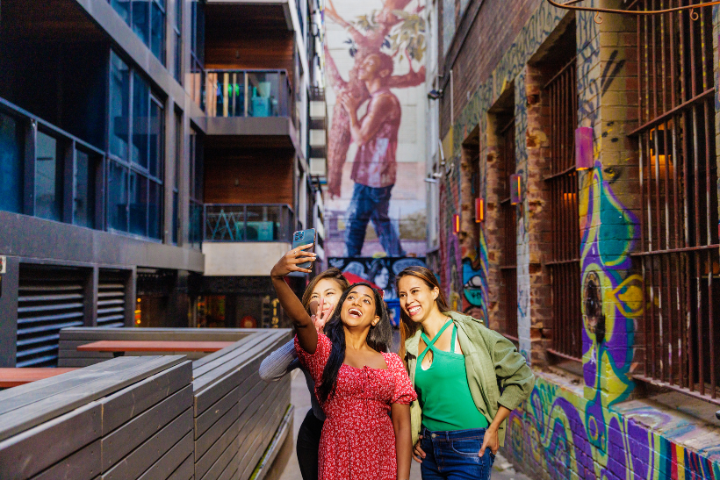
The City Hibernator (Melbourne, VIC)
The City Hibernator doesn't fight winter, they embrace it. Galleries, cinemas, retail therapy, hot coffee and pastries. They explore a city room-by-room rather than block-by-block, and a wet forecast doesn't rain on their parade, it just sends them somewhere warm where all the action is.
Thanks to its vibrant arts and culture scene, Melbourne during the winter months is perfect for going out and heading indoors at the same time. The Melbourne International Film Festival plays from August 6 to 23. Now or Never fills the CBD with art, light and tech installations from August 19 to 30, much of it free to wander after dark. Every Wednesday night until August 26, the Queen Victoria Market Winter Night Market has street food, fire pits and live music. Entry is free, so just spend what you like on the bites and brews that catch your eye. In between, there are the laneways, which need no introduction and reward no particular plan.
Stay: YHA Melbourne Central is a heritage-listed building on Flinders Street, a short walk from Southern Cross Station with free trams at the doorstep. There's a cafe and bar downstairs, a rooftop with BBQs and city views, and weekly trivia nights and pub tours perfect for making new mates.
Tip: Book MIFF sessions as soon as the program is released, because popular screenings sell out within days. Entry to the Winter Night Market is free, and YHA Melbourne Central sits within the free tram zone, so you can cover most of this itinerary without paying for transport.
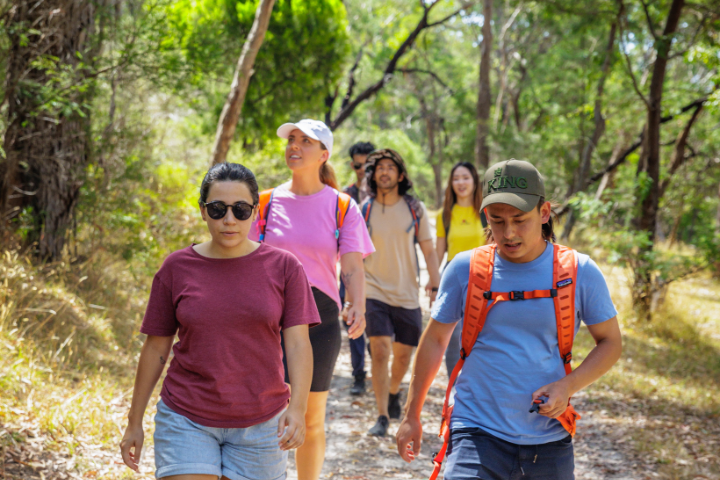
The Bushwalker (Grampians, VIC)
The Bushwalker waits all year for cooler air, quieter trails and waterfalls thundering at their peak. They've usually got next weekend's hiking route downloaded before the current one is finished. If your friend is constantly wearing their hiking boots around town, leads the way using compass directions, and always has a stash of trail mix on hand, this is them.
Winter is a perfect time to visit the Grampians. Start your getaway with a visit to MacKenzie Falls, Victoria's largest year-round waterfall, at its most powerful from June through til Spring. The 2km return walk from the car park suits most fitness levels, and you can stretch it into the 7km Mackenzie River Walk or continue to Fish Falls for a longer day.
The Pinnacle and the Balconies lookouts are at their best in winter too. Visiting at sunrise will make the early alarm clock completely worth it. Runners should look at the Wonderland Run, which takes over Halls Gap on August 29 and 30 with events from a 10km up to a 50km ultra, plus a 2km for kids. Make time to also experience some of Australia’s best Indigenous rock art from the Djab Wurrung and Jardwadjali people, who have lived in this country for thousands of generations.
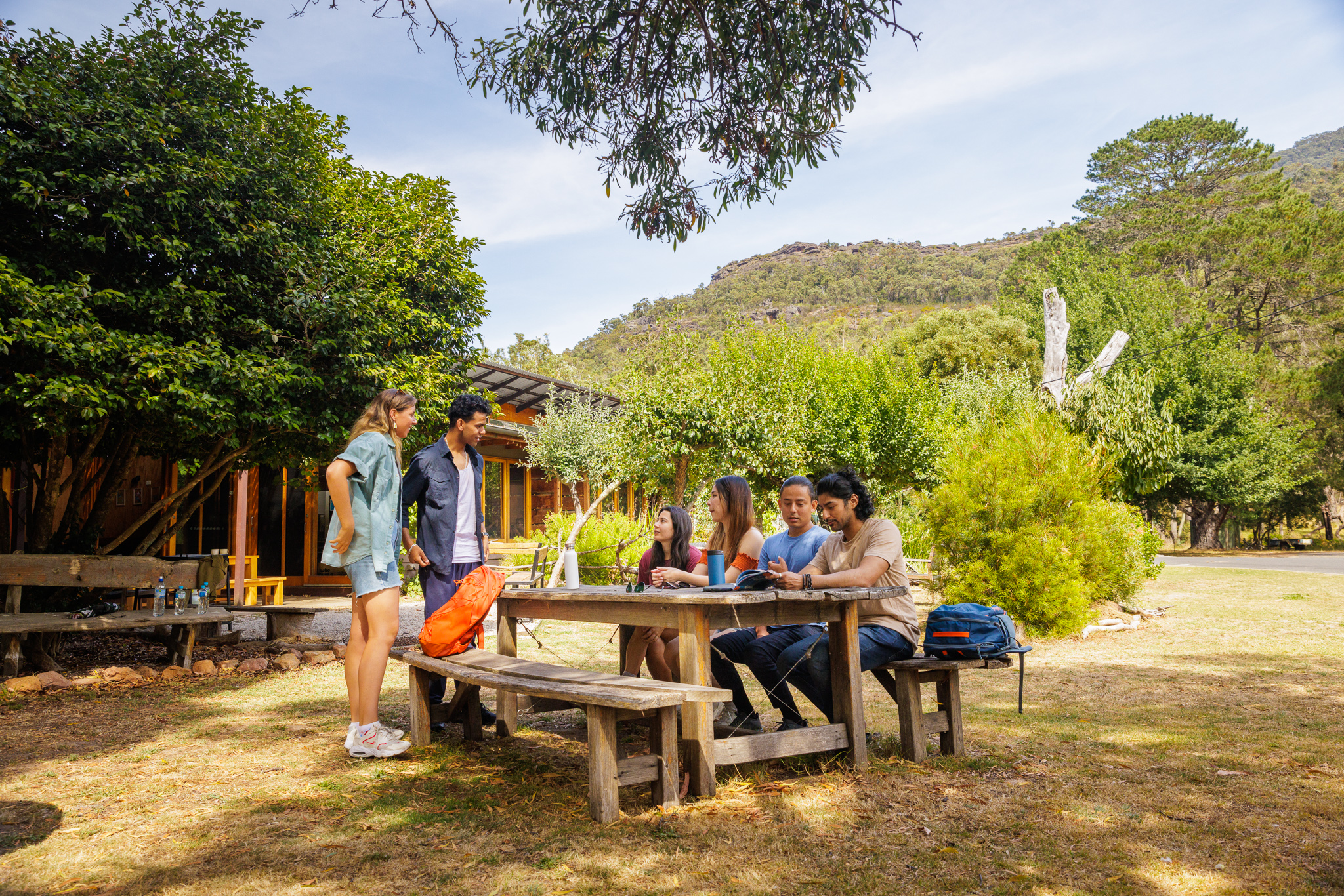
Stay: YHA Grampians Eco is an architecturally designed, eco-certified retreat at the edge of the national park in Halls Gap. Kangaroos graze on the lawn most evenings, there are two lounges with wood fires warming up the whole space, and there's an outdoor fire pit for the post-walk debrief. Your hosts have walked these trails themselves, so run your plan past them first.
Tip: Check Parks Victoria for trail closures before you leave, as Grampians tracks sometimes close after heavy rain, and time your visit to MacKenzie Falls for a day or two after rainfall, when the waterfalls are at their biggest. If you’re not driving, V/Line trains from Southern Cross connect with coaches to Halls Gap, stopping about 100 metres from the property. Remember to pack warm clothes, because winter days here can start pretty frosty before the sunshine properly kicks in.
Words: Troy Nankervis

Written by Troy Nankervis
Story-led content specialist with 10+ years' experience across journalism, production, and digital media.